
Dealing with a landlord who isn’t making necessary repairs to your rental property can be a frustrating and stressful experience. Whether it’s a leaky faucet, a broken appliance, or a more serious structural issue, understanding your rights and knowing how to effectively communicate with your landlord is crucial. This article outlines the necessary steps to take if your landlord isn’t making repairs, including how to document the issue, communicate effectively with your landlord, and understand your legal options when it comes to landlord responsibilities and tenant rights regarding repairs.
Ignoring repair issues can lead to further damage, health hazards, and even legal disputes. Knowing what to do if your landlord isn’t making repairs can empower you to address these issues proactively. This guide will provide you with a clear understanding of your tenant rights, outlining the steps you can take if your landlord is neglecting their repair responsibilities, from initial communication to escalating the situation if necessary. We’ll cover everything from documenting the needed repairs to understanding the legal implications of a landlord’s failure to address these crucial maintenance issues, offering practical advice to help you navigate this challenging situation.
Knowing Your Rights as a Tenant
As a tenant, you have legal rights regarding habitability. Landlords are legally obligated to maintain a safe and livable environment. This often includes essential services like heating, plumbing, and hot water.
Local and state laws vary, defining specific responsibilities. Familiarize yourself with these regulations, often available through tenant unions or government agencies. These laws outline procedures for requesting repairs and actions you can take if your landlord fails to comply.
Understanding your rights empowers you to address issues effectively and ensure your living space meets legal standards.
How to Communicate Requests Effectively
Document everything. Maintain a detailed record of all communication, including dates, times, and methods used. Keep copies of written requests, emails, and any responses received from your landlord.
Be clear and specific. When making a request, clearly describe the repair needed, its location, and the impact it has on your living conditions. Providing specific details helps avoid miscommunication and ensures your landlord understands the issue.
Follow up. If you don’t receive a response within a reasonable timeframe, follow up with your landlord. A polite reminder can help keep the repair on their radar.
Keeping Records of All Requests
Maintaining thorough records of your repair requests is crucial. This documentation serves as proof of your attempts to notify your landlord of the necessary repairs. Keep copies of everything.
Recommended methods for record keeping include:
- Sending requests via certified mail with return receipt requested.
- Documenting all communication, including phone calls and emails, with dates and times.
- Taking photographs or videos of the damage.
Legal Steps to Enforce Repairs
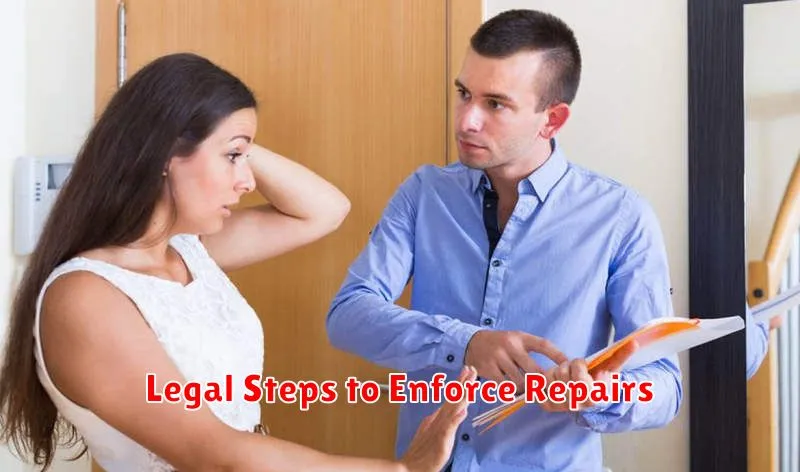
If your landlord fails to make necessary repairs after reasonable notice, you may need to take legal action. Document everything: notices sent, responses (or lack thereof), and evidence of the disrepair. This documentation will be crucial.
Depending on your jurisdiction, legal options can include “repair and deduct,” where you pay for the repairs and deduct it from the rent; withholding rent (often with strict legal guidelines); or pursuing legal action in small claims court.
Consult with a tenants’ rights organization or an attorney specializing in landlord-tenant law. They can advise you on the best course of action based on your specific situation and local laws.
When You Can Withhold Rent
Withholding rent is a legal strategy in some jurisdictions, but it’s crucial to understand the specific laws in your area. It’s often considered a last resort and is generally permitted only under specific circumstances.
Typically, you can withhold rent if your landlord has failed to make necessary repairs that affect your health and safety, and you’ve provided proper notice. The issue must be substantial, such as a lack of heat or running water.
It’s strongly advised to consult with an attorney or tenant rights organization before withholding rent, as doing so improperly can lead to eviction.
Using Rent Escrow Accounts
In some jurisdictions, if your landlord fails to make necessary repairs after proper notification, you may have the option to use a rent escrow account. This involves depositing your rent payments into a court-supervised or third-party account instead of directly to your landlord. This legal process protects you from eviction while ensuring the funds are available for repairs or rent once the issue is resolved.
It is crucial to consult with a legal professional or your local housing authority to determine the specific regulations and procedures for establishing and utilizing a rent escrow account in your area. The rules governing rent escrow accounts vary significantly and using this option incorrectly can have negative consequences.
When to Contact Local Authorities
While you should always attempt to resolve repair issues directly with your landlord first, there are situations where contacting local authorities is necessary. Contact your local housing authority, building inspector, or other relevant agency if your landlord refuses to address essential repairs that impact your health and safety.
Conditions such as lack of heat or running water, severe pest infestations, or dangerous structural damage warrant contacting the authorities. These agencies can enforce housing codes and compel your landlord to make the necessary repairs.
