
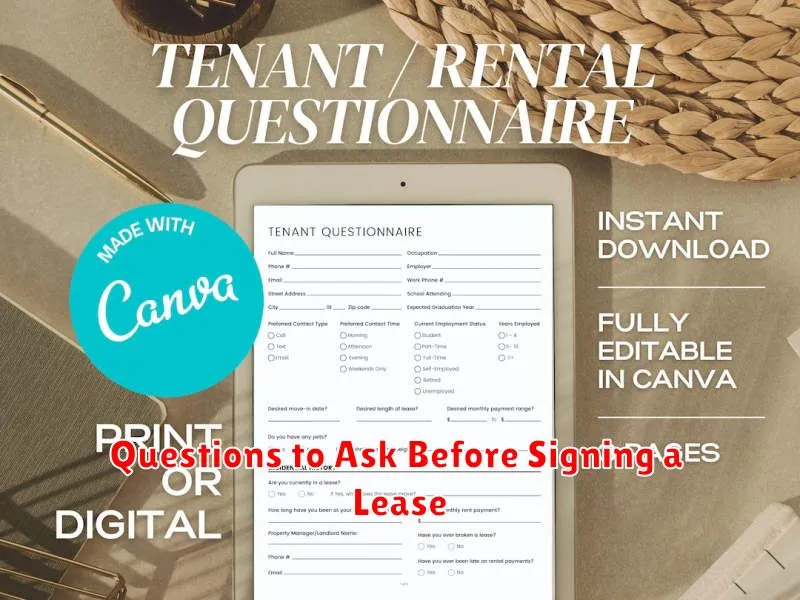
Signing a lease is a significant commitment. Before you put pen to paper, it’s crucial to ask the right questions to ensure the agreement aligns with your needs and expectations. Understanding the terms of your lease can prevent future disputes and ensure a positive renting experience. This article outlines essential questions to ask before signing a lease, covering topics ranging from rent and utilities to maintenance responsibilities and lease termination clauses. By taking the time to thoroughly review your lease and ask clarifying questions, you can protect yourself and make an informed decision about your future housing.
Whether you’re renting an apartment, house, or commercial space, the lease agreement governs your tenancy. Asking questions before signing a lease can provide clarity on crucial details, potentially saving you time, money, and stress in the long run. From understanding pet policies and parking arrangements to clarifying the security deposit process and lease renewal options, having a comprehensive understanding of the lease terms is paramount. This article equips prospective tenants with the key questions to ask before signing a lease, empowering them to confidently navigate the rental process and secure a suitable living arrangement.
Why Asking the Right Questions Matters
Signing a lease is a significant commitment, legally binding you to the terms and conditions within it. Asking the right questions beforehand can prevent future headaches and ensure you’re entering into an agreement you fully understand and are comfortable with.
Clarifying key aspects of the lease protects your rights and interests as a tenant. It empowers you to make an informed decision, avoiding potential disputes or regrets down the line.
What’s Included in the Rent?
Before signing a lease, clearly understand what is included in your monthly rent payment. This avoids unexpected expenses later. Ask your landlord for a complete list of included amenities.
Common inclusions are:
- Trash removal
- Water
- Sewer
- Parking
However, these can vary. Specifically inquire about utilities like electricity, gas, and internet, as these are often the renter’s responsibility.
What Are the Lease Terms and Renewal Policies?
Understanding the lease term is crucial. How long are you committing to this property? Is it a six-month lease, a year-long lease, or longer? Knowing the exact duration helps you plan your future housing needs.
Equally important are the renewal policies. Does the lease automatically renew? If so, under what terms? Is there a required notice period for non-renewal? What happens to the rent upon renewal – does it increase, and if so, by how much? Clarifying these points prevents surprises and allows you to negotiate or make alternative plans.
How Are Repairs and Maintenance Handled?
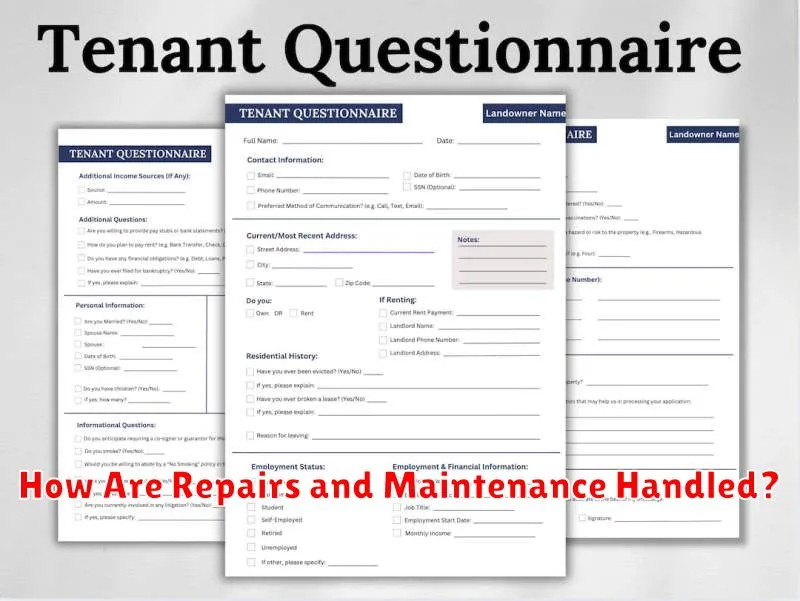
Understanding the repair and maintenance policy is crucial. Ask who is responsible for what repairs. Are you expected to handle minor repairs yourself? What is the procedure for requesting repairs? How long is the typical response time for maintenance requests? Clarify who covers the costs for repairs, especially concerning normal wear and tear versus damage.
Find out if there’s a dedicated maintenance staff or if the landlord uses outside contractors. Knowing this can give you an idea of how efficiently repairs might be handled. Be sure to inquire about emergency repairs and how to contact someone after hours.
What Are the Rules About Guests and Pets?
Before signing a lease, it’s crucial to understand the rules regarding guests and pets.
Inquire about restrictions on guest stays, such as time limits or registration requirements.
If you have pets or plan to get one, clarify the pet policy. This includes acceptable types of pets, size or breed restrictions, and any associated fees.
Understanding these rules upfront prevents future conflicts and ensures a comfortable living situation.
Can You Personalize or Modify the Space?
Before signing a lease, inquire about permitted modifications. Can you paint the walls? Are you allowed to hang shelves or pictures? What are the restrictions on decorating or making changes to the space? Some landlords have strict rules about alterations. Understanding these rules upfront will prevent future disputes and ensure you can comfortably inhabit the space.
Clarify the process for approval for any modifications. Do you need written permission? Is there a specific form to complete? Knowing the procedure beforehand will streamline any changes you wish to make during your tenancy.
Exit Clauses and Early Termination Policies
Carefully review the lease agreement for any clauses that address early termination. Understand under what specific circumstances you can break the lease without incurring significant penalties.
Inquire about the financial implications of breaking the lease early. This might include paying a certain number of months’ rent or covering the cost of finding a replacement tenant.
Ask if there is an option to sublet the property if you need to vacate before the lease term ends.
