
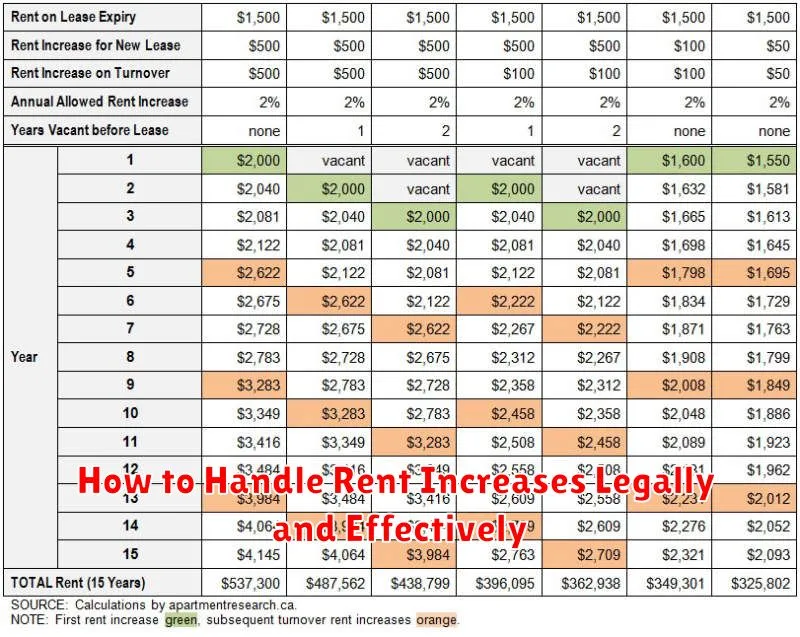
Facing a rent increase? It’s a common concern for renters, and understanding your rights and how to handle rent increases legally and effectively is crucial. This article provides essential guidance on navigating rent increases, from understanding the legality of rent increases in your jurisdiction to negotiating with your landlord and exploring your options if an increase seems unfair or illegal. Whether you’re dealing with a significant rent hike or a smaller adjustment, learning how to approach the situation strategically can save you money and protect your tenancy.
We’ll cover key topics such as rent control laws, required notice periods for rent increases, valid reasons for rent increases, and how to document everything properly. This guide will equip you with the knowledge and tools to confidently address rent increases, ensuring you are treated fairly and can negotiate effectively. Learn how to challenge an illegal rent increase and understand your renters’ rights when it comes to rent increases. We will explore options for negotiating lower rent increases, understanding your lease agreement, and knowing when to seek legal advice.
Understanding Why Rent Goes Up
Rent increases are a common occurrence, often stemming from various economic factors. Inflation plays a significant role, driving up the cost of goods and services, including property maintenance and taxes for landlords.
Market demand is another key factor. In areas with high demand and limited housing availability, landlords are often able to increase rents to reflect market value. Local economic growth can also contribute to rising rents as higher incomes and job opportunities attract more residents.
Finally, landlords may raise rents to cover increased operating costs. These costs might include property taxes, insurance premiums, and necessary repairs or renovations.
Legal Notice Requirements
Landlords must adhere to specific legal notice requirements before increasing rent. These requirements vary by jurisdiction and are typically tied to the length of the tenancy.
Notice Periods often range from 30 to 60 days, though some jurisdictions may require longer periods, especially for significant increases. Consult your local housing authority or legal counsel to determine the exact notice period applicable in your area.
Written Notice is generally required. This documentation should clearly state the new rent amount and the effective date of the increase.
When You Can Refuse a Hike

Rent increases, while often unwelcome, are sometimes justifiable. However, there are situations where you can legally refuse a rent hike. Lease Agreements are crucial. If your lease specifies a fixed rent for a specific period, the landlord generally cannot increase it during that term.
Illegal Increases are also grounds for refusal. This includes increases exceeding legally permitted limits or retaliatory hikes following tenant complaints. Proper Notice is essential. If your landlord fails to provide legally required notice of a rent increase, you can challenge it.
Breach of Contract by the landlord, such as failure to maintain habitable conditions, can justify refusal to pay the increased rent. Be sure to familiarize yourself with your local tenant laws and consult with legal counsel if needed.
Negotiating Alternatives or Freezes
If a rent increase is unaffordable, explore negotiating alternatives with your landlord. Direct communication is key. Explain your situation and propose a compromise.
This could involve a smaller increase, a temporary rent freeze, or agreeing on specific improvements in exchange for the higher rent. A freeze maintains your current rent for a set period, offering temporary relief. Offering to sign a longer lease in exchange for a smaller increase could also be beneficial for both parties.
Considering Relocation Options
If negotiating with your landlord proves unsuccessful, and the rent increase is untenable, exploring relocation becomes necessary. Evaluate your current housing needs and budget. This will help you determine what type of housing you can afford in the current market.
Research different neighborhoods and compare rental prices. Factor in commuting costs, amenities, and proximity to essential services. Begin your search early to allow ample time for finding suitable alternatives.
Documenting Communication
Meticulous record-keeping is crucial throughout the rent increase process. This documentation serves as evidence of your landlord’s compliance with legal procedures and your attempts to negotiate or address concerns.
Maintain a comprehensive record of all communication, including dates, times, and methods of contact (e.g., email, phone call, in-person). Summarize the content of each interaction. Retain copies of all written notices, emails, and letters.
Organized documentation will strengthen your position if you need to escalate the matter to a housing authority or pursue legal action.
Avoiding Retaliation or Illegal Practices
Landlords sometimes engage in illegal retaliatory practices after a tenant questions a rent increase. Document everything. Keep records of rent payment history, communication with your landlord, and any maintenance requests. This documentation can be crucial if you need to prove retaliation.
Familiarize yourself with your local tenant laws regarding rent increases and retaliatory actions. These laws vary by jurisdiction, so understanding your specific rights and protections is essential. If you suspect illegal retaliation, contact your local housing authority or tenant rights organization for guidance.
