
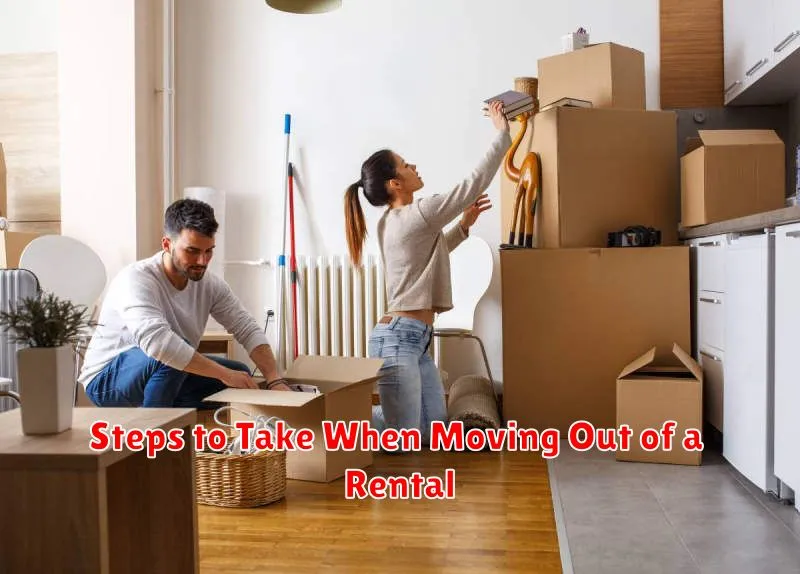
Moving out of a rental property can often feel like a daunting task. Whether you’re a seasoned renter or a first-time mover, navigating the process efficiently and avoiding potential issues requires careful planning and execution. This guide outlines the essential steps to take when moving out of a rental, helping you ensure a smooth transition and protect your security deposit. From providing proper notice to your landlord to conducting a thorough final walk-through, understanding these key steps is crucial for a stress-free move. We will cover everything from understanding your lease agreement to cleaning the rental property, ensuring you’re well-prepared for your next chapter.
By following these steps for moving out of a rental, you can minimize potential disputes with your landlord and maximize the chances of receiving your full security deposit back. This comprehensive guide will walk you through each stage of the process, providing clear and concise instructions. We’ll cover topics like forwarding your mail, scheduling a pre-move-out inspection, and documenting the condition of the property. Taking the time to understand and follow these steps when moving out of your rental will ultimately save you time, money, and stress in the long run.
Reviewing Your Lease Terms
Before you start packing, carefully review your lease agreement. This document dictates the terms of your tenancy and outlines important responsibilities for both you and your landlord.
Pay close attention to the following: required notice period, lease end date, and any clauses regarding early termination fees. Understanding these elements will help you avoid potential penalties and ensure a smooth move-out process.
Also, check for details concerning the security deposit return, required cleaning procedures, and any necessary pre-move-out inspections.
Giving Proper Notice
Providing adequate notice to your landlord is a crucial step in the move-out process. Refer to your lease agreement to determine the required notice period, which is typically 30 or 60 days.
Deliver your notice in writing, ideally via certified mail with return receipt requested, to ensure proof of delivery. This protects you from potential disputes. Clearly state your move-out date in the notice.
Cleaning and Repairs Before Leaving
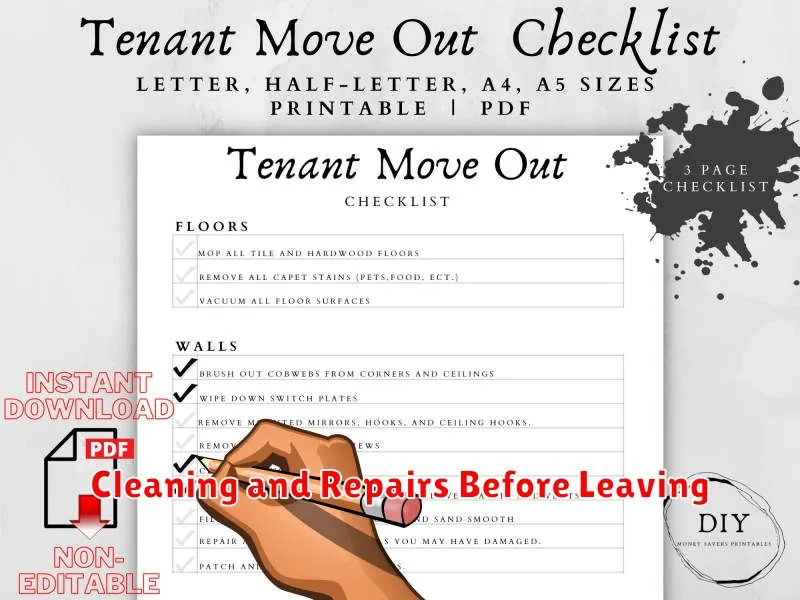
A thorough cleaning is essential before moving out. This includes cleaning appliances, bathrooms, floors, and windows. Address any necessary repairs as stipulated in your lease agreement. This might include patching holes in the walls or fixing leaky faucets.
Refer to your lease for specific cleaning and repair requirements. Document the condition of the property with photos or videos as you leave. This documentation can protect you from disputes regarding the security deposit.
Taking Final Photos and Documentation
Once you’ve finished cleaning and removing all belongings, thoroughly document the condition of the property. This protects you from potential disputes regarding the security deposit. Take photos and videos of every room, paying close attention to any areas of concern previously noted in the initial inspection report.
Document the date and time of the photos/videos. Ensure adequate lighting to clearly showcase the condition of the property. This documentation serves as crucial evidence should any disagreements arise regarding the state of the rental unit after your departure.
Turning in Keys and Utilities
Key Return: Return all keys received upon move-in, including mailbox, storage, and any other access keys. Confirm the preferred method of return with your landlord (in person, dropbox, etc.). Ensure you receive confirmation of receipt to avoid future disputes.
Utilities: Contact utility providers (electricity, gas, water, internet, etc.) to schedule service termination on your move-out date. Note your final meter readings and confirm final billing procedures. This is crucial to avoid continued charges after you’ve vacated the property.
Requesting Security Deposit Refund
After moving out and completing all required move-out procedures, it’s time to request your security deposit refund. Refer to your lease agreement for the specific timeframe allowed for the landlord to return your deposit. This timeframe varies by state.
Send your landlord a written request for the return of your security deposit. Include your forwarding address for the check. Keep a copy of this request for your records. If your landlord claims deductions, request an itemized list of deductions with supporting documentation or receipts. If the landlord fails to return your deposit within the legally allowed timeframe, or if you disagree with the deductions, you may need to take further action, such as contacting a local tenant rights organization or pursuing legal advice.
Leaving a Forwarding Address

Notify the post office of your new address to ensure your mail is forwarded correctly. This is crucial for receiving important documents and bills. You can do this online or in person at a post office branch.
In addition to the post office, inform important parties of your address change. This includes banks, credit card companies, and any subscription services you use. This will help prevent interruptions in service and ensure you receive important notifications.
