
Breaking a lease can be a complex and often stressful situation. Many renters find themselves needing to move out before their lease term ends, whether due to unforeseen circumstances like job relocation or personal emergencies, or simply a change in living arrangements. Understanding how to break a lease properly and avoid legal trouble is crucial. This article provides a comprehensive guide on how to navigate this process, minimizing potential financial and legal repercussions. We will explore various strategies, from negotiating with your landlord to understanding your lease agreement’s clauses, and exploring options like subletting or finding a replacement tenant. By following these steps, you can learn how to break your lease legally and effectively.
Breaking a lease without legal trouble requires careful planning and understanding of your rights and responsibilities. While a lease is a legally binding contract, there are often provisions and options available that allow tenants to terminate a lease early without incurring significant penalties. This article will address common questions regarding lease termination, including how to provide proper notice to your landlord, understanding your state’s laws regarding early termination fees, and how to document the process to protect yourself legally. We’ll delve into the specifics of mitigating damages, negotiating an early termination agreement, and utilizing the legal protections available to tenants facing hardship. Learning these essential steps can empower you to break your lease while minimizing any negative consequences.
Valid Reasons to Break a Lease
Breaking a lease early can have serious financial consequences. However, under certain circumstances, it’s legally permissible. Valid reasons often involve the landlord violating terms of the lease, such as failing to maintain a habitable environment (e.g., no heat or running water) or breaching privacy rights.
Some states recognize domestic violence as a valid reason, allowing victims to terminate their lease early without penalty. Military deployment orders that require relocation for an extended period also typically constitute a justifiable reason for lease termination.
In some jurisdictions, if the property becomes uninhabitable due to unforeseen circumstances like fire or flood damage, tenants may have grounds to break the lease.
Reviewing the Lease for Exit Clauses
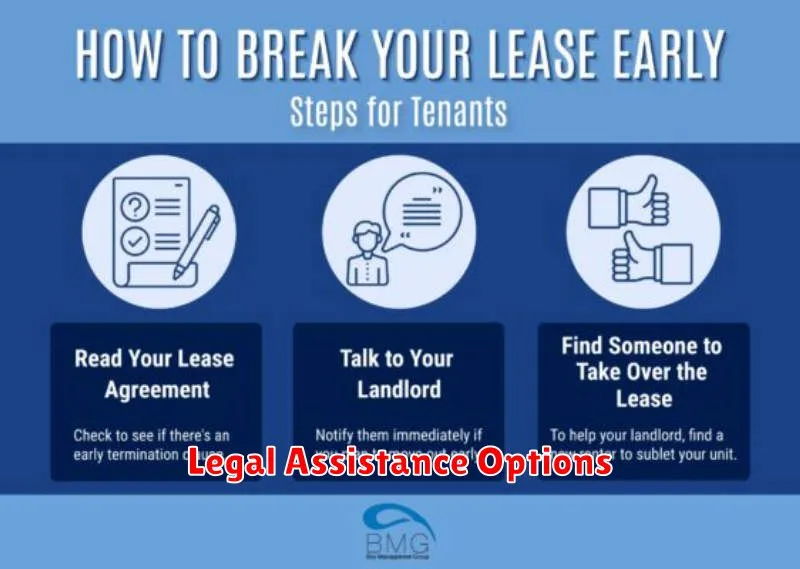
Your lease agreement is the most important document when considering breaking a lease. Carefully review it for specific exit clauses. These clauses outline the accepted conditions for breaking the lease without penalty or with reduced penalties. Common examples include an early termination clause, a military transfer clause, or a clause addressing domestic violence situations.
Pay close attention to the specific language used and any associated requirements or timelines. Document any exit clauses you find and consider seeking legal counsel to ensure you understand their implications fully.
Providing Proper Notice
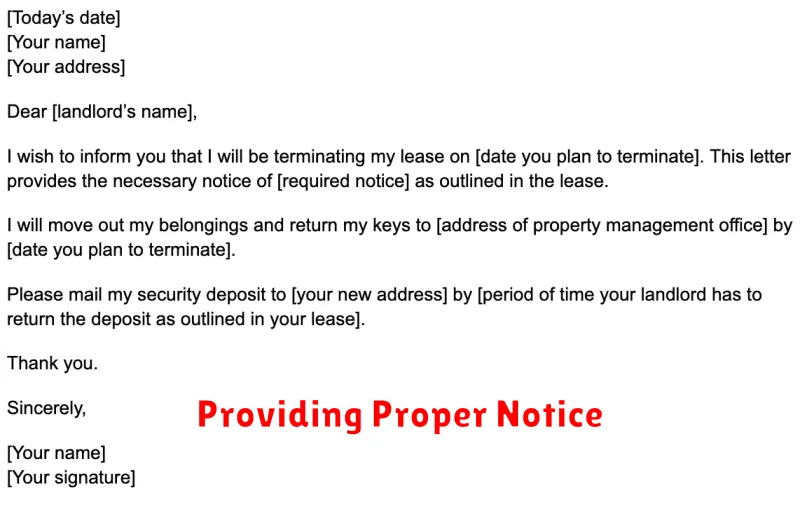
Providing adequate notice is crucial when breaking a lease. Your lease agreement specifies the required notice period, typically 30 or 60 days. Failing to provide sufficient notice can lead to legal and financial repercussions.
Deliver your notice in writing, ideally via certified mail with return receipt requested, to ensure documented proof. Clearly state your intent to vacate and the intended move-out date. Refer to your lease for specific notification instructions. This ensures a smooth transition and mitigates potential disputes with your landlord.
Negotiating with Your Landlord
Open communication is key. Explain your reasons for needing to break the lease clearly and respectfully. Present any supporting documentation, such as job relocation letters or medical necessity forms.
Be prepared to negotiate. Your landlord might be willing to let you out of the lease with a fee, or allow you to find a suitable replacement tenant. Be proactive and suggest solutions.
Subletting or Finding a Replacement Tenant
Subletting or finding a replacement tenant is often the best way to avoid penalties when breaking a lease. Check your lease agreement for specific clauses regarding this process. Many leases require landlord approval for any sublet or replacement.
If allowed, actively search for a suitable tenant. Screen potential candidates thoroughly. Once you find someone, present them to your landlord for approval. Ensure all necessary paperwork and agreements are completed and signed by all parties involved.
Financial Consequences and Fees
Breaking a lease often leads to financial penalties. Landlords may require you to pay the remaining rent due for the lease term.
Additionally, you might be responsible for costs associated with finding a new tenant, including advertising and lost rent during vacancy. Early termination fees stipulated in your lease agreement also apply.
These costs can be substantial, so carefully review your lease and understand your financial obligations before deciding to break your lease.
Legal Assistance Options
If negotiating directly with your landlord proves unsuccessful, seeking legal assistance is advisable. Several options exist depending on your circumstances and budget.
Consulting with a real estate attorney provides personalized guidance and representation. They can review your lease agreement, advise you on your legal rights, and even represent you in court if necessary. This is the most expensive option, but it offers the strongest protection.
Tenant rights organizations offer resources and advice, often at low or no cost. They can help you understand your rights and may be able to mediate disputes with your landlord. Availability varies by location.
Legal aid societies offer free or low-cost legal services to those who qualify based on income. If you meet their criteria, this can be an invaluable resource.
