

Embarking on the exciting journey of renting your first apartment? The process can feel overwhelming, navigating the intricacies of lease agreements, budgeting, and finding the perfect place. This guide provides invaluable tips for first-time apartment renters, offering essential advice and practical strategies to simplify your search and secure your ideal living space. From understanding your rental budget and apartment hunting strategies to deciphering lease terms and renter’s insurance, we’ll cover the key aspects of becoming a successful and confident renter.
Learn how to effectively search for apartments, utilizing online resources and local connections. We’ll explore crucial considerations such as location, amenities, and apartment size to help you define your priorities. Discover the importance of preparing a rental application and understanding your rights as a tenant. This comprehensive guide for first-time renters will empower you to confidently navigate the rental process and find the perfect apartment to call home. Begin your apartment search journey well-informed and prepared with these essential tips.
Setting a Realistic Budget
One of the most critical steps in renting your first apartment is establishing a realistic budget. This involves more than just rent. Factor in additional expenses such as utilities (electricity, gas, water), internet, and renters insurance.
A common rule of thumb is the 30% rule, where you allocate no more than 30% of your gross monthly income towards rent. However, consider your individual circumstances and prioritize your needs.
Creating a detailed budget spreadsheet can help you visualize your expenses and ensure you can comfortably afford your new apartment without financial strain.
Understanding Credit and Rental History
Credit reports and rental history play crucial roles in a landlord’s decision to rent to you. Landlords use your credit report to assess your financial responsibility. A higher credit score typically suggests a lower risk of missed rent payments.
Your rental history provides a record of your past behavior as a tenant. Landlords often contact previous landlords to inquire about your payment habits, property upkeep, and overall reliability. If you’re a first-time renter with limited or no rental history, be prepared to provide alternative proof of responsibility, such as character references or proof of consistent on-time payments for other bills.
How to Tour an Apartment Effectively

Preparation is key for an effective apartment tour. Make a list of must-have features and deal-breakers before you go.
During the tour, thoroughly inspect each room. Test the appliances, check water pressure, and open and close windows and doors. Note any existing damage.
Don’t hesitate to ask questions about anything that concerns you. Inquire about lease terms, pet policies, and parking arrangements.
Questions to Ask the Landlord
Asking the right questions can save you future headaches. Lease terms are crucial. Inquire about the lease duration, renewal options, and any associated fees.
Understanding maintenance policies is vital. Ask who is responsible for repairs, the typical response time, and procedures for requesting service. Don’t forget about utilities. Clarify which utilities are included in the rent and which you are responsible for paying separately.
Pet policies are another key area. If you have or plan to have pets, ask about any restrictions, fees, or required documentation.
Reading the Lease Carefully
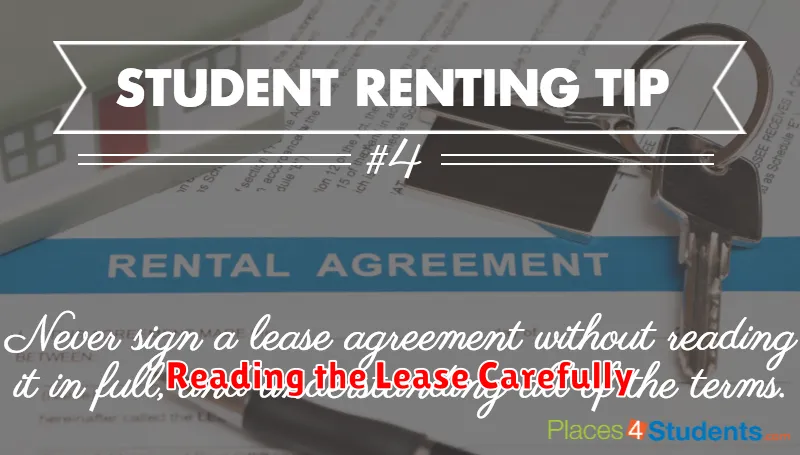
Before signing anything, thoroughly review the lease agreement. Understanding the terms is crucial to avoiding future disputes.
Pay close attention to the following:
- Lease duration: How long are you committing to the apartment?
- Rent amount and due date: Ensure clarity on payment details.
- Maintenance responsibilities: Who is responsible for repairs?
- Pet policies: Are pets allowed, and if so, under what conditions?
- Termination clause: Understand the conditions for breaking the lease.
Don’t hesitate to ask the landlord for clarification on any confusing points. It’s better to address concerns upfront.
Preparing Your Application
Applying for your first apartment requires preparation. Gather necessary documentation beforehand to expedite the process. This typically includes proof of income, identification, and past rental history if applicable.
Be prepared to pay an application fee. Landlords use these fees to cover background and credit checks. Have your banking information readily available for this purpose.
Finally, prepare some references. Personal or professional references can strengthen your application and demonstrate your responsibility and character.
Common Mistakes to Avoid
First-time renters often make avoidable mistakes. Rushing the process is a major one. Take your time to view multiple properties and carefully read lease agreements.
Another common error is overlooking the importance of location. Consider proximity to work, amenities, and transportation. Neglecting to budget appropriately is also detrimental. Factor in not just rent, but also utilities, groceries, and other living expenses.
Finally, failing to ask questions can lead to future issues. Don’t hesitate to clarify any doubts with the landlord or property manager.
