
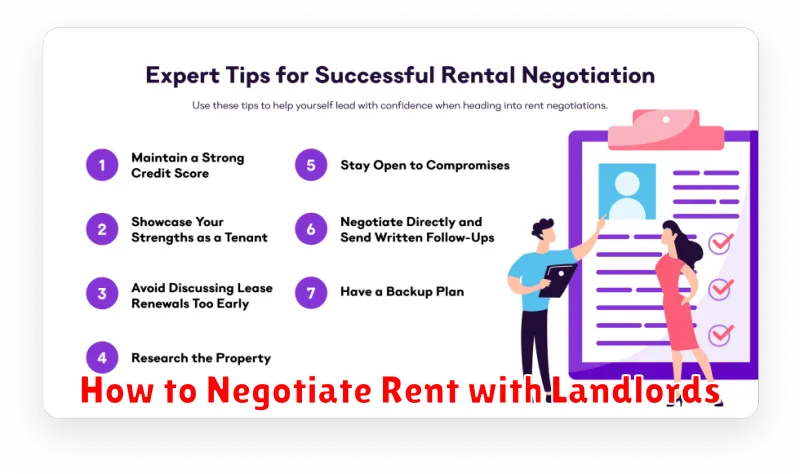
Negotiating rent can be a powerful tool for renters looking to save money and secure the best possible deal on their housing costs. Whether you’re signing a new lease or renewing an existing one, understanding how to effectively negotiate with landlords can significantly impact your monthly expenses. This article will provide you with proven strategies and practical tips to confidently negotiate your rent, covering topics such as researching comparable rents, presenting a strong case, and understanding your legal rights as a tenant. Learning the art of rent negotiation can empower you to achieve a more affordable and favorable lease agreement.
From understanding the local rental market to crafting a persuasive negotiation strategy, we’ll explore the essential steps to successfully negotiating rent with landlords. This guide will equip you with the knowledge and tools to approach the negotiation process with confidence, helping you secure a lower rent, added amenities, or other beneficial terms. Discover how to effectively communicate your needs and achieve a mutually agreeable outcome, whether you’re a first-time renter or a seasoned tenant. Learn how to negotiate rent like a pro and maximize your savings.
When and Why You Can Negotiate Rent
Negotiating rent isn’t always possible, but there are strategic times to try. Before signing a new lease is the ideal moment, giving you leverage. During a lease renewal, you also have an opportunity to discuss terms. A slow rental market, marked by high vacancy rates, increases your chances. Offering something valuable to the landlord, like pre-paying rent or signing a longer lease, can also open the door to negotiation.
Reasons for negotiating include high market rates compared to similar properties, the need for necessary repairs or upgrades, or simply staying within your budget.
Doing Research on Market Rates
Before entering rent negotiations, thoroughly research prevailing market rates for comparable properties. Understanding current rental prices provides a strong foundation for your argument.
Consider factors like size, location, amenities, and age when comparing. Online real estate listings, local property management companies, and neighborhood forums can be valuable resources for gathering this information.
Having concrete data on average rents for similar units strengthens your position and allows you to negotiate confidently.
Timing Your Request Strategically
Negotiating rent isn’t just about what you ask for, but when you ask. Approaching your landlord at the right moment can significantly impact your success.
Consider the rental market. In a renter’s market (high vacancy rates), landlords are more motivated to negotiate. Conversely, in a landlord’s market (low vacancy), negotiating power diminishes.
Negotiate before your lease expires. Landlords are more receptive to discussions when they know they can secure a tenant quickly, avoiding vacancy costs. Aim for 30-60 days prior to your lease end date.
Highlighting Yourself as a Reliable Tenant
Demonstrating your reliability as a tenant can significantly strengthen your negotiating position. Landlords prioritize tenants who pay rent on time and respect the property.
Provide a strong credit report showcasing a history of responsible financial management. A positive rental history report is equally valuable, demonstrating your past reliability. Offer references from previous landlords who can attest to your responsible tenancy.
Present yourself professionally during interactions. Being proactive and organized shows your commitment to being a responsible tenant. Offering a slightly higher security deposit can also demonstrate your financial stability and seriousness.
Bundling Requests (e.g., Free Utilities)
Bundling multiple requests can increase your negotiating power. Instead of asking for lower rent outright, consider requesting free utilities (such as water, gas, or internet) bundled with your desired rent price.
This approach makes your offer more appealing to landlords. They might prefer a slightly higher rent with included utilities, as it simplifies their management responsibilities. This tactic works best when combining smaller requests with a primary objective, such as slightly lower rent or a longer lease term.
Negotiation Scripts and Approaches
Approaching rent negotiation requires a respectful and professional demeanor. Clearly state your desired outcome, providing justification based on market value, property condition, or your tenancy history.
Example: “I’ve researched comparable units in this area, and the average rent seems to be around $X. Given that, I was hoping we could discuss adjusting my rent to a similar rate.”
Be prepared to compromise. Perhaps a longer lease term in exchange for a lower monthly rent would be mutually beneficial. Having alternative options ready demonstrates your seriousness and preparedness.
Getting It in Writing
After successfully negotiating a new rent amount, ensure the agreement is documented. A written agreement protects both you and the landlord. It confirms the agreed-upon terms and prevents future disputes.
The written agreement should clearly state the new rent amount, the effective date of the change, and the duration of the agreement. Any other agreed-upon modifications to the lease, such as changes to pet policies or parking arrangements, should also be included.
Sign and date two copies of the agreement – one for you and one for your landlord. Keep your copy in a safe place for your records.
