
Preparing for a rental home inspection can be stressful, but with adequate preparation, you can ensure a smooth process and a positive outcome. A rental inspection, whether it’s a move-in inspection, routine inspection, or move-out inspection, is a crucial part of the landlord-tenant relationship. Understanding the inspection process and knowing what to expect can alleviate anxiety and help you protect your security deposit. This guide provides essential information and practical tips to help you get ready for your upcoming home inspection. From understanding your lease agreement to creating a comprehensive checklist, we’ll cover everything you need to know to present your rental property in the best possible light.
This article will delve into the specifics of preparing for each type of rental inspection, including move-in inspections, routine inspections, and move-out inspections. We will address common areas of concern, such as cleanliness, functionality of appliances, and necessary repairs. By following the advice provided here, you can minimize the risk of deductions from your security deposit and maintain a positive relationship with your landlord. Whether you’re a seasoned renter or a first-time tenant, understanding the rental inspection process is key to a successful tenancy.
What Is a Rental Inspection?
A rental inspection is a scheduled walkthrough of a rental property conducted by the landlord or a designated property manager. It allows them to assess the condition of the property and ensure tenants are complying with the terms of the lease agreement.
There are different types of inspections, including move-in, routine, and move-out inspections. Each serves a distinct purpose, from documenting the initial state of the property to identifying any potential issues or damages.
Types of Inspections: Move-In, Routine, Move-Out
There are three primary types of rental inspections: move-in, routine, and move-out. Each serves a distinct purpose and protects both landlord and tenant.
Move-in inspections document the property’s condition before a tenant takes occupancy. This is crucial for avoiding disputes later.
Routine inspections allow landlords to check for maintenance issues and ensure lease compliance. Notice is typically required before these inspections.
Move-out inspections compare the property’s condition to the initial move-in report. This determines if any damages beyond normal wear and tear occurred during the tenancy.
What Landlords Typically Check
During a rental home inspection, landlords assess various aspects of the property to ensure its condition and tenant compliance with the lease agreement. Cleanliness is a primary focus, examining the overall tidiness of the unit and appliances. Landlords also check for any damage, including walls, floors, fixtures, and appliances.
Functionality of essential systems, such as plumbing, heating, and electrical, are also reviewed. Safety features, like smoke detectors and carbon monoxide detectors, are inspected to ensure they are operational. Landlords also check for unauthorized alterations or pets if prohibited by the lease.
Cleaning and Organizing Before the Visit
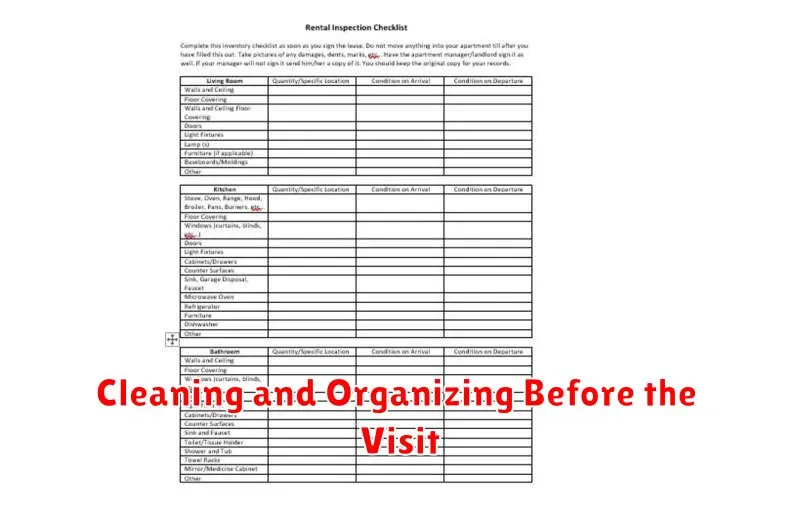
A clean and organized home makes a strong positive impression during a rental inspection. Focus on key areas like the kitchen and bathroom. Ensure countertops are clear and appliances are wiped down.
Address any noticeable clutter. While deep cleaning isn’t always mandatory, a tidy appearance suggests responsible tenancy. This can positively influence the inspector’s overall assessment.
Documenting Existing Damages
Before the inspection, thoroughly document any existing damage to the property. This protects you from being held responsible for pre-existing issues.
Take clear photos and videos of every imperfection, noting the date and a brief description. A written inventory is also recommended, detailing each item and its condition.
This documentation serves as crucial evidence in case of disputes regarding the security deposit.
Your Rights During an Inspection
As a tenant, you have rights during a rental inspection. Landlords must provide you with reasonable notice, typically 24-72 hours, before entering your unit.
Inspections should be conducted at reasonable times, avoiding disruptions to your daily life. You have the right to be present during the inspection.
The purpose of the inspection should be clearly stated, such as a routine inspection or addressing a specific maintenance concern. Landlords cannot use inspections to harass tenants.
Post-Inspection Follow-Ups
After the inspection, promptly review the report. Thoroughly understand any identified issues and their severity.
Communicate with your landlord about the findings. Discuss responsibilities for repairs and establish a reasonable timeframe for completion. Maintain documentation of all communication and agreed-upon actions.
Upon completion of repairs, request a follow-up inspection, if necessary, to confirm that issues have been adequately addressed. This protects both you and the landlord.
