
Finding the perfect rental property can be an exciting, yet daunting, task. While the prospect of a new home is alluring, it’s crucial to approach the process with a discerning eye. Being aware of potential red flags can save you from future headaches and financial strain. This article will equip you with the knowledge to identify warning signs and navigate the rental market effectively, ensuring you find a safe and suitable place to call home. Understanding common rental red flags will empower you to make informed decisions and avoid problematic rentals.
From deceptive landlords to undisclosed property issues, knowing what to look for is essential for securing a positive rental experience. We will explore various red flags related to the property itself, the lease agreement, and the landlord’s behavior. By understanding these red flags, you can confidently assess potential rentals and avoid entering into an unfavorable lease agreement. Learn to spot the signs of a potentially troublesome rental and protect yourself from future difficulties by recognizing these crucial red flags.
Too-Good-to-Be-True Listings
If a listing appears significantly below market value, be very cautious. Scammers often use incredibly low prices to lure in potential victims.
Ask yourself why the rent is so low. Is there a logical explanation? If not, it’s a major red flag. Compare the listing to similar properties in the area. A significant price difference warrants further investigation.
Be wary of listings with vague descriptions or low-quality photos. These can indicate a rushed or fraudulent listing.
Lack of Proper Documentation
A significant red flag is the absence of a formal, written lease agreement. This document protects both the landlord and tenant, outlining responsibilities and terms. Insist on a detailed lease that covers rent amount, payment due date, lease duration, security deposit details, and maintenance responsibilities.
Beyond the lease, be wary if the landlord seems reluctant to provide other necessary documentation like proof of ownership or receipts for rent payments. Proper record-keeping is essential for a smooth rental experience.
Unwillingness to Show the Property
A significant red flag is a landlord’s reluctance or refusal to show you the property in person. This should raise immediate concerns. A legitimate landlord will be eager to showcase their rental and answer your questions.
Reasons for avoiding a showing might include the property not existing, being significantly different from advertised, or already being occupied. Insisting on a virtual tour only, especially without a live walkthrough option, should be met with extreme caution.
Unclear or Verbal Agreements Only
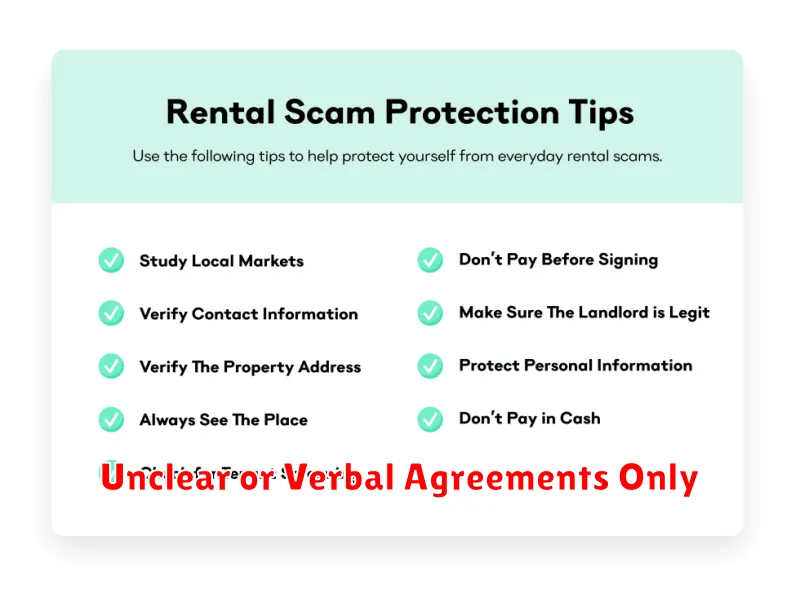
Avoid rental situations with only verbal agreements. A written lease protects both landlord and tenant. It clearly outlines the terms of the tenancy, including rent amount, due date, lease duration, and responsibilities for maintenance.
Verbal agreements can easily lead to misunderstandings and disputes. Insist on a comprehensive written lease before occupying the property.
High Upfront Costs Without Receipts
A significant red flag is the demand for high upfront costs, especially without accompanying receipts. Legitimate landlords will provide detailed receipts for all payments, including security deposits, first and last month’s rent, and any other fees.
Be wary of landlords who pressure you to pay in cash or who provide handwritten, informal receipts. This lack of proper documentation can create issues later if disputes arise.
Pressure to Sign Immediately
A landlord pushing you to sign a lease quickly without affording you ample time to review it is a major red flag. Take your time. A legitimate landlord understands the importance of thoroughly reviewing such a significant legal document.
High-pressure tactics like “someone else is interested” or limited-time offers should make you wary. These are often used to obscure problematic lease terms or rental situations. Don’t rush. Insist on having the time you need to make an informed decision.
Poor Property Maintenance
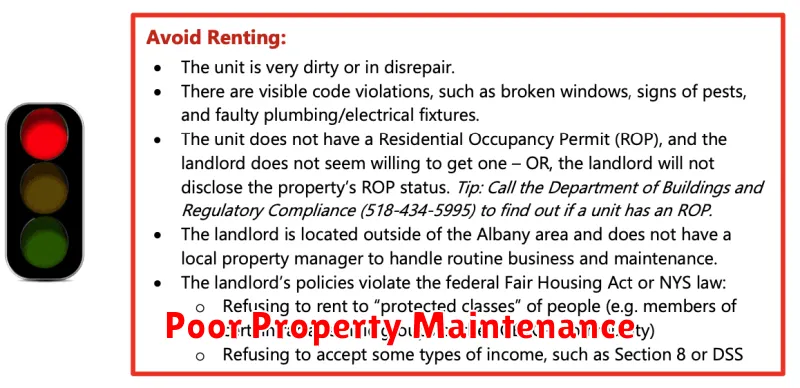
Dilapidated buildings are a major red flag. Look for signs of neglect like peeling paint, cracked walls, leaky faucets, or pest infestations. These issues can indicate a landlord who is unwilling to invest in necessary repairs and upkeep. This can lead to further problems and potentially hazardous living conditions down the line.
Unkempt common areas, such as hallways, lobbies, or laundry facilities, can also suggest poor management and disregard for tenant well-being. Pay attention to cleanliness, functionality, and overall condition of shared spaces.
