

Moving into a new rental property can be an exciting but often stressful experience. From navigating the application process to coordinating the actual move, there are numerous details to manage. This comprehensive guide, “How to Move into a Rental Property Smoothly,” offers practical advice and actionable steps to ensure your transition is as seamless as possible. Whether you are a first-time renter or a seasoned tenant, understanding the key aspects of moving into a rental property will help you avoid common pitfalls and begin your tenancy with confidence.
This article will cover everything from conducting thorough property viewings and understanding your lease agreement, to essential steps for moving day and settling into your new home. We will address crucial topics such as renter’s insurance, utility set-up, and building a positive relationship with your landlord. By following the expert tips and insights provided, you can transform the often daunting task of moving into a rental property into a smooth and organized process, allowing you to enjoy your new space from the moment you arrive.
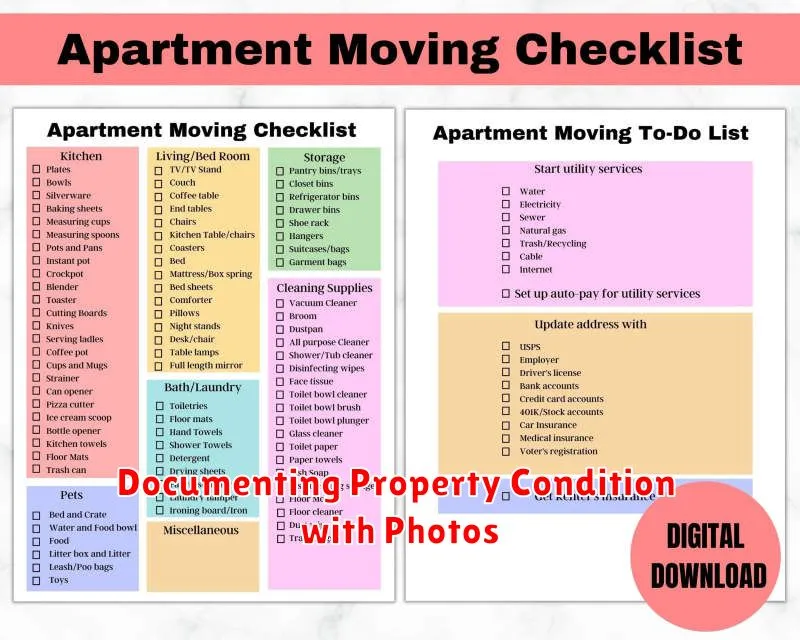
Creating a Move-In Checklist
A comprehensive move-in checklist is essential for a smooth transition into your new rental. This document protects both you and the landlord by documenting the condition of the property before you occupy it.
Your checklist should include a thorough inspection of each room, noting any existing damage or discrepancies. Document things like scratches, stains, or malfunctioning appliances. Pay close attention to the condition of walls, floors, and fixtures. Don’t forget to check the functionality of smoke detectors and carbon monoxide detectors.
Ideally, complete the checklist with the landlord present to ensure agreement on the property’s condition. Both parties should sign and date the document, retaining a copy for their records.
Coordinating Your Moving Day
Moving day requires careful coordination to minimize stress and ensure a smooth transition. Schedule your moving truck or van well in advance, confirming arrival and departure times. Communicate clearly with your movers, providing detailed instructions on handling fragile items and furniture placement.
Confirm access to the rental property with your landlord or property manager. Ensure keys are available and any necessary building access codes are provided. Prepare a checklist of essential tasks for the day, including meter readings and final walkthroughs.
Setting Up Utilities and Internet
One of the first things you should do after getting your keys is setting up essential utilities. Electricity, gas, and water are crucial for comfortable living. Contact the respective utility providers for your area to establish service in your name.
Next, arrange for internet service. Research providers available at your new address and compare plans. Scheduling installation soon after your move-in date ensures you stay connected.
Documenting Property Condition with Photos
Before moving any of your belongings into the rental, thoroughly document the existing condition of the property. This crucial step protects you from potential disputes regarding pre-existing damage. A comprehensive photographic record is your best defense.
Take photos of every room, including close-ups of any existing damage, such as scratches, stains, or cracks. Pay particular attention to appliances, fixtures, and areas prone to wear and tear. Date and time stamp your photos if possible, for added verification.
This documentation provides a baseline condition report. Share these photos with your landlord, ideally through email or a shared online folder, creating a transparent record for both parties. This proactive approach can help prevent disagreements and ensure a smoother move-out process later.
Notifying Your New Address
Once you’ve settled into your new rental, promptly update your address with important institutions. This includes government agencies such as the post office, the Department of Motor Vehicles (DMV), and relevant tax authorities.
Financial institutions like banks and credit card companies should also be notified. Don’t forget to update your address for any subscriptions or online services you use.
This ensures you receive important mail and bills at your new residence.
Organizing Your Lease Documents
Maintaining organized lease documents is crucial for a smooth tenancy. Create a dedicated physical or digital folder specifically for your rental paperwork.
Key documents to include are the signed lease agreement, move-in inspection reports, rent receipts, and any communication with your landlord.
This organized system simplifies referencing important information, addressing disputes, and ensuring a smooth move-out process later.
Settling In Without Stress

After the move is complete, focus on settling in efficiently. Unpack essentials first, such as toiletries, medications, and a few changes of clothes. This helps establish a sense of normalcy quickly.
Locate important utilities like the water shut-off valve, circuit breaker box, and gas meter. Familiarizing yourself with these locations can prevent future headaches.
Confirm move-in details with your landlord or property manager. Double-check agreed-upon repairs, maintenance schedules, and any outstanding questions.
